


HP Servers
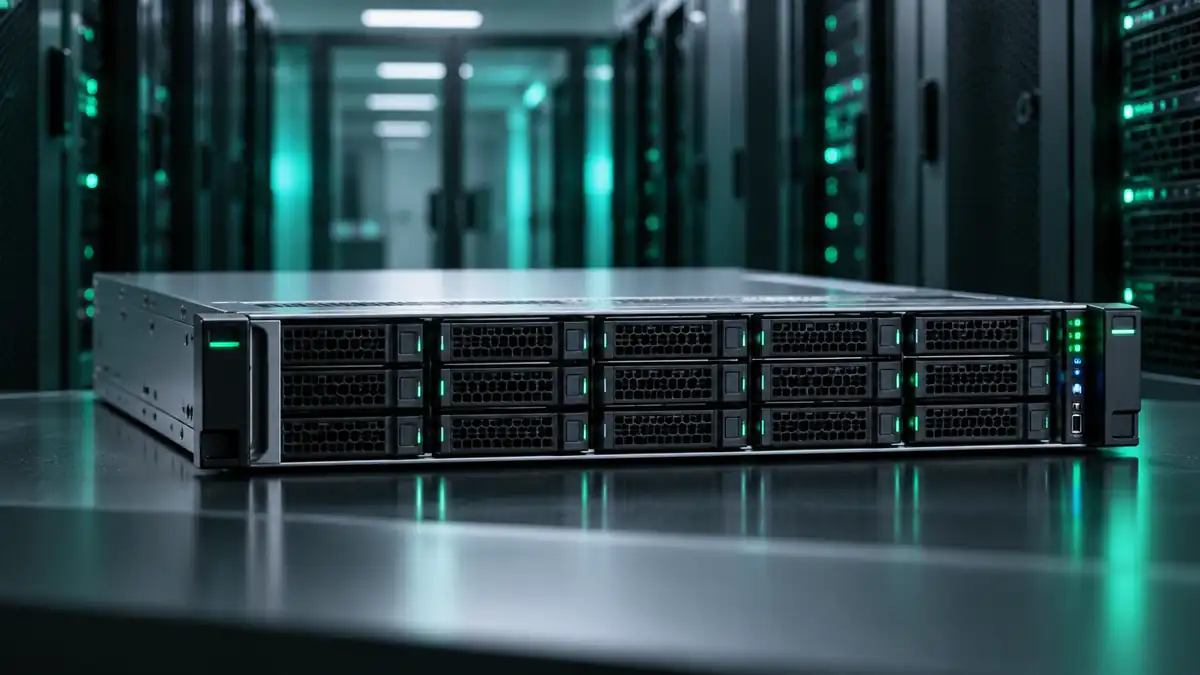

HP Servers: Everything You Need to Know About HPE Enterprise Servers
HP servers are among the most widely used enterprise server solutions in organizations, data centers, and business networks around the world.
Designed for reliability, high performance, and scalability, HP servers provide the infrastructure needed to run critical applications, databases, virtualization platforms, and enterprise services.
Today, HP enterprise servers are developed and marketed under the HPE (Hewlett Packard Enterprise) brand, offering advanced server solutions for businesses of all sizes.
What Are HP Servers?
HP servers are professional computing systems designed to provide powerful processing capabilities, large storage capacity, and continuous availability for business environments.
Unlike standard desktop computers, enterprise servers are built to operate 24/7 with higher reliability and advanced management features.
Organizations use HP servers for various applications, including:
- Hosting websites and business applications
- Database management
- Virtualization environments
- Cloud infrastructure
- File and storage services
- Enterprise software platforms
- Network and security applications
Why Choose HP Enterprise Servers?
Choosing the right server is an important decision for any organization. HP servers are popular because they combine powerful hardware, advanced management tools, and long-term reliability.
| Feature | Description |
|---|---|
| High Performance | Powerful processors and memory technologies provide fast and stable performance for demanding workloads. |
| Reliability | Designed for continuous operation with enterprise-grade components. |
| Scalability | Supports future upgrades including additional memory, storage, and expansion cards. |
| Security | Provides advanced security features to protect business data and infrastructure. |
| Remote Management | HPE iLO technology enables administrators to monitor and manage servers remotely. |
HP ProLiant Servers: The Most Popular HPE Server Family
The HPE ProLiant family is one of the most popular server platforms worldwide.
These servers are designed for businesses that need reliable infrastructure with flexible configuration options.
HPE ProLiant servers are available in different form factors, including:
- Rack Servers:
Ideal for data centers and environments where space efficiency is important. - Tower Servers:
Suitable for small businesses and branch offices. - Blade Servers:
Designed for high-density computing environments.
Popular HP Server Models
| Model | Suitable For |
|---|---|
| HPE ProLiant DL Series | Data centers, virtualization, and enterprise applications |
| HPE ProLiant ML Series | Small and medium businesses |
| HPE Synergy | Composable infrastructure and advanced enterprise environments |
HP Server Components and Technologies
One of the main advantages of HP servers is the ability to customize hardware components according to business requirements.
Organizations can select different configurations based on workload, performance needs, and future expansion plans.
Processors (CPU)
HP servers commonly support powerful Intel Xeon and AMD EPYC processors designed for enterprise workloads.
These processors provide high processing power for virtualization, databases, cloud applications, and complex computing tasks.
Memory (RAM)
Enterprise applications require stable and high-speed memory.
HPE servers support advanced memory technologies with large capacity options to improve performance and reliability.
Storage Solutions
HP servers support different storage technologies including HDD, SSD, and NVMe drives.
Organizations can choose storage configurations based on speed, capacity, and data availability requirements.
RAID Technology
RAID configurations help protect data and improve storage performance.
HPE Smart Array controllers provide reliable storage management for enterprise environments.
HP Servers for Virtualization
Virtualization is one of the most common applications of HP servers.
Businesses use HPE servers to run multiple virtual machines on a single physical server, reducing hardware costs and improving resource utilization.
- VMware virtualization environments
- Microsoft Hyper-V platforms
- Private cloud infrastructures
- Enterprise application hosting
Benefits of Using HP Servers in Business
| Benefit | Description |
|---|---|
| Reduced Costs | Better resource utilization and efficient infrastructure management. |
| Higher Availability | Designed for continuous business operations. |
| Easy Management | Remote monitoring and administration through HPE management tools. |
| Future Expansion | Flexible hardware upgrades according to business growth. |
How to Choose the Right HP Server for Your Business?
Selecting the right HP server depends on several factors, including the size of your organization, workload requirements, number of users, storage needs, and future growth plans.
A properly configured server can improve performance, reliability, and operational efficiency.
Important Factors When Choosing an HP Server
| Factor | Description |
|---|---|
| Workload Requirements | Determine whether the server will be used for databases, virtualization, applications, websites, or file services. |
| Processor Performance | Choose the appropriate CPU based on the required processing power and number of applications running simultaneously. |
| Memory Capacity | Higher RAM capacity improves performance, especially in virtualization and database environments. |
| Storage Capacity | Select the right combination of HDD, SSD, or NVMe storage based on speed and capacity requirements. |
| Future Expansion | Consider upgrade options for additional memory, storage, and expansion cards. |
HP Rack Servers vs Tower Servers
HPE provides different server designs to meet various business requirements.
The two most common types are rack servers and tower servers.
| Feature | Rack Servers | Tower Servers |
|---|---|---|
| Design | Designed to be installed in server racks. | Standalone design similar to desktop systems. |
| Best For | Data centers and enterprise environments. | Small businesses and branch offices. |
| Space Efficiency | High density and optimized for rack environments. | Requires more physical space. |
| Scalability | Excellent for large infrastructures. | Suitable for smaller expansions. |
HP Servers and Data Center Infrastructure
HP servers are widely used in professional data centers because of their reliability, performance, and advanced management capabilities.
They can support critical workloads that require high availability and continuous operation.
Modern data centers use HPE servers for applications such as:
- Enterprise cloud services
- Database management systems
- Virtual desktop infrastructure (VDI)
- Business applications and ERP systems
- Web hosting platforms
- Backup and disaster recovery solutions
HPE iLO: Remote Server Management Technology
One of the key advantages of HP servers is HPE Integrated Lights-Out (iLO).
This technology allows IT administrators to remotely monitor, configure, and manage servers without requiring physical access.
With HPE iLO, administrators can:
- Monitor server health status
- Perform remote troubleshooting
- Manage firmware updates
- Access the server console remotely
- Control power operations
HP Servers for Enterprise Security
Security is a critical requirement for modern businesses.
HP enterprise servers include multiple security features designed to protect hardware, firmware, and business data.
- Secure boot protection
- Firmware security validation
- Data protection technologies
- Secure management interfaces
- Protection against unauthorized access
HP Server Maintenance and Support
Regular maintenance helps organizations maximize server performance and extend hardware lifetime.
Proper monitoring, firmware updates, and hardware inspections are essential for maintaining a reliable infrastructure.
Recommended HP Server Maintenance Activities
- Regular firmware and driver updates
- Monitoring hardware health status
- Checking storage performance
- Reviewing system logs
- Maintaining proper cooling and power conditions
Why Buy HP Servers from Professional Providers?
Choosing a reliable supplier is important when purchasing enterprise hardware.
Professional providers can help organizations select the correct server configuration, install equipment, and provide technical support.
we provide professional consultation and enterprise networking solutions to help businesses choose the right HP server based on their technical requirements.
For more information about available HP server models, configurations, and purchasing options, contact our sales experts.
Frequently Asked Questions About HP Servers
What are HP servers used for?
HP servers are used for hosting applications, databases, virtualization, cloud services, file storage, and enterprise infrastructure.
What is the difference between HP and HPE servers?
HP enterprise server products are now developed under the HPE (Hewlett Packard Enterprise) brand, which focuses on business and data center solutions.
Which HP server is suitable for a small business?
Small businesses usually choose HPE ProLiant ML tower servers or entry-level rack servers depending on their workload requirements.
Are HP servers suitable for virtualization?
Yes. HPE ProLiant servers are widely used for virtualization platforms such as VMware and Microsoft Hyper-V.
How can I choose the best HP server configuration?
The best configuration depends on your applications, number of users, storage requirements, and future expansion plans. Professional consultation can help you select the right solution.
Conclusion
HP servers are reliable and powerful solutions for businesses that need stable and scalable IT infrastructure.
With advanced technologies, flexible configurations, and enterprise-grade reliability, HPE ProLiant servers are suitable for organizations ranging from small businesses to large data centers.
Choosing the right HP server configuration can significantly improve business performance, security, and operational efficiency.
For expert advice and purchasing assistance, contact Dargah Communications specialists.



No comment for this post.